
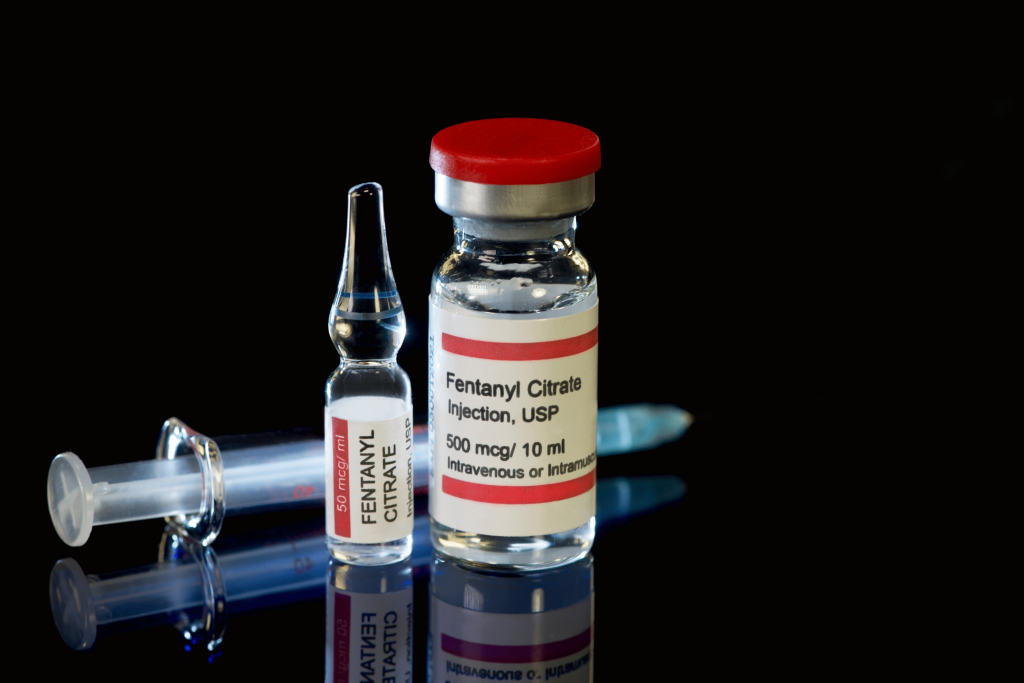
The synthetic opioid fentanyl is 50 to 100 times stronger than morphine. Originally, fentanyl was designed to treat severe pain, the kind after surgery or that cancer patients can experience. Overdoses connected to fentanyl have risen, garnering a great deal of media attention, as the drug has been abused and added to other illegal substances without the user’s knowledge. According to the Centers for Disease Control and Prevention (CDC), more than 56,000 people in 2020 died from overdoses involving synthetic opioids like fentanyl.
Symptoms of Fentanyl Addiction
When an individual first takes fentanyl, they can experience various effects, from extreme happiness to drowsiness to confusion. They may also suffer from physical side effects like nausea, constipation, and breathing problems.
Dependence and addiction to any opioid can happen at any time to any person. The longer someone takes any opioid, including fentanyl, the more likely they are to develop a dependence or an addiction.
When someone stops taking fentanyl, they are likely to experience severe withdrawal symptoms as quickly as a few hours from their last dose of the drug. Withdrawal symptoms can include:
- Unconsciousness
- Muscle and bone pain
- Sleep problems
- Diarrhea and vomiting
- Cold flashes with goosebumps
- Uncontrollable leg movements
- Severe cravings
Withdrawal from fentanyl can be very painful and unpleasant. Medications have been created to help with these symptoms, such as lofexidine. It is a non-opioid medicine that can reduce withdrawal symptoms connected to opioids. Another option is the NSS-2 Bridge device. This small electrical nerve stimulator device is placed behind the person’s ear and can ease symptoms during the acute withdrawal phase.
Signs of a Fentanyl Overdose
If someone is suspected of overdosing on fentanyl, it is vital to call 911 immediately. Administering naloxone (Narcan) as soon as possible can help. Naloxone is a medication created to reverse the effects of opiates. Signs someone may be overdosing on fentanyl include:
- Blue lips and complexion
- Gurgling or slow breathing
- Chest pain
- Seizure or stiffening of the body
- Confusion or strange behavior
- Passing out
Test strips are available for drug users to determine if fentanyl has been added to other substances. This is one way to help combat accidental overdoses when the drug user is not aware of the presence of fentanyl.
Treatment for Fentanyl Abuse
To date, the most effective way to help a person with a fentanyl addiction involves a combination of behavioral therapy and medication.
The main types of behavioral therapy that are being used are:
- Cognitive behavioral therapy
- Contingency management
- Motivational interviewing
The medications prescribed for fentanyl abuse recovery include buprenorphine, methadone, and naltrexone. Decisions about the best treatment combination will be made in conjunction with health care professionals who will evaluate the individual and determine the best option.
If you or someone you love is struggling with fentanyl use, seeking fentanyl addiction treatment in Massachusetts can be the first step toward lasting recovery. At Aftermath Addiction Treatment Center, we were founded by people in recovery and provide compassionate, evidence-based care for individuals living with substance use and co-occurring mental health disorders. Our personalized treatment plans combine proven clinical approaches with the empathy, support, and guidance needed to build a healthier future.